How to clean the glass in your wood-burning stove properly
Historically, the wood-burning stove went from being the main source of heat in the home to being almost banished from households once central heating arrived. It has since enjoyed a revival, as wood-burning stoves have once again become increasingly common in ordinary homes, while the nostalgia and cosiness of a real fire have become part of the furnishings in many holiday homes. Once a wood-burning stove has been installed and put to use, it requires only a minimum of maintenance. It needs to be cleaned from time to time, and you should keep an eye on how it performs – that the fire burns steadily, that no smoke escapes in the wrong places, that there is a good draught for ventilation and so on – but beyond that, a good wood-burning stove more or less looks after itself. Here is a little inspiration for how you can keep your stove clean and tidy. Read on to learn more about the little quirks and tricks that come with owning a wood-burning stove.
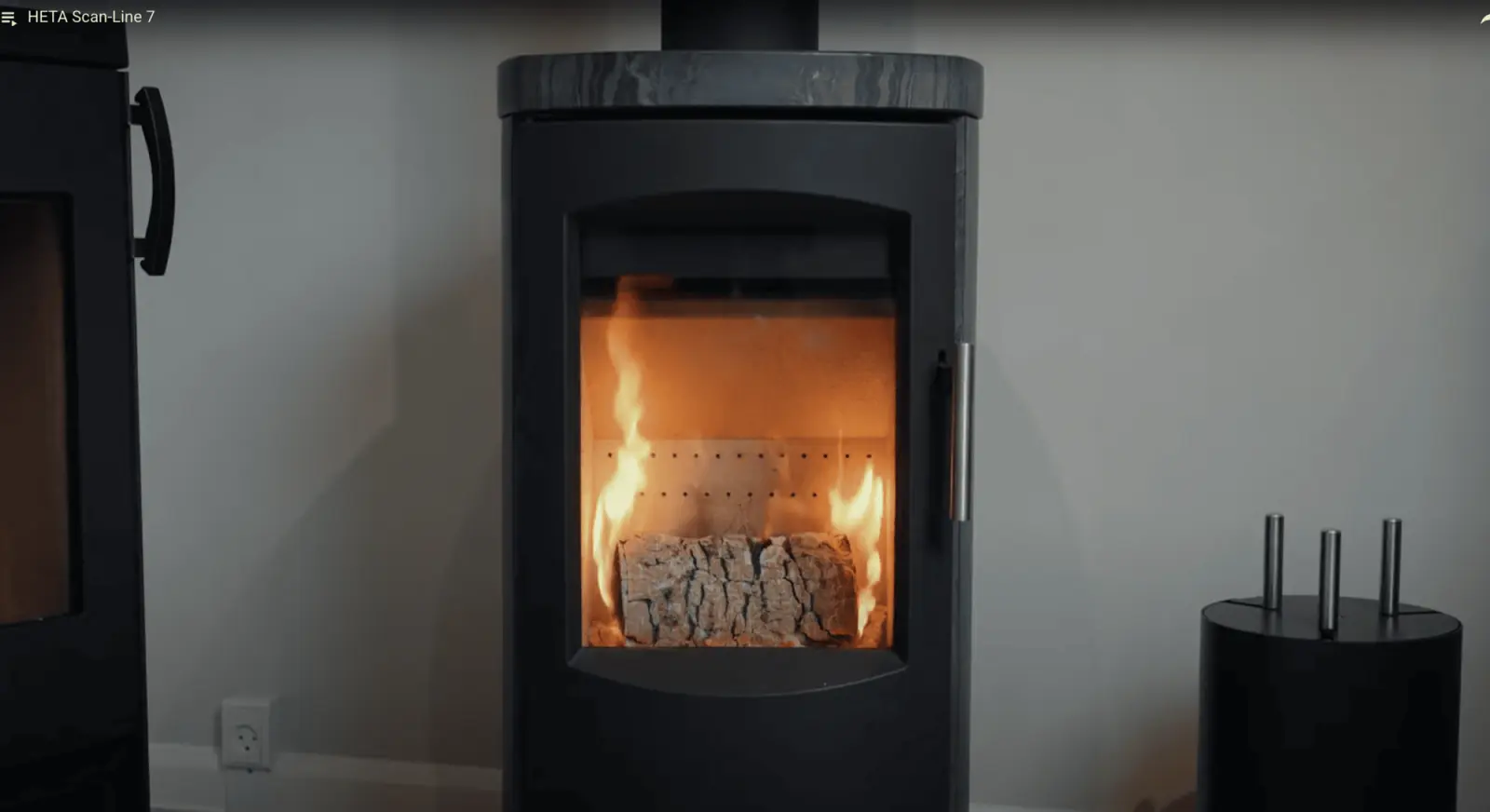
Different types of wood-burning stove
Any decent DIY store now has its own department for wood-burning stoves. There have been great advances in the development and design of wood-burning stoves over the past few decades, and although the classic Morsø stove (the one with the squirrel) is still one of the best sellers on the market, new ways of bringing the classic cosiness of a real fire into the home keep appearing. Broadly speaking, there are three types of wood-burning stove in common use today:
- Freestanding wood-burning stove: The classic stove, which is easy to position wherever there is a connection to a chimney.
- Wall-mounted wood-burning stove: Fitted directly to the wall, so it takes up less space in the room and makes cleaning around it considerably easier.
- Fireplace insert: Can be built into an existing wall or open fireplace, giving a more modern look and improving efficiency.
Whichever type you have or are considering, the maintenance is often quick and easy to manage.
Cleaning the glass in your wood-burning stove
First of all, one thing must be made clear – you should always wait until the wood-burning stove is cold before you start any kind of cleaning on it. That said, this can be the most time-consuming part: the wait until the stove has cooled down enough for you to clean it. The glass is the part of the stove that gets the dirtiest, or at least where the dirt is easiest to see.
If you are new to owning a wood-burning stove, there is no need to worry about investing in all sorts of specialist cleaning products. You can of course buy a glass cleaner made specifically for wood-burning stove glass, but once you read how easily you can do it without chemicals, you will probably change your mind and save your money.
It is so easy that even children can do it (under adult supervision, of course). Simply take a little paper, such as kitchen roll, dampen it slightly and dip it in the white ash found either at the bottom of the stove or in the ash pan. Here again, it is important to be sure that the stove is completely cold, so that you do not put your fingers into smouldering embers. Then use it to clean the glass until it is shiny and spotless again. You can always wipe over with a dry cloth afterwards, but the damp paper and ash are usually enough.
How often the glass needs cleaning varies, but some people make a habit of cleaning it before every lighting, both because it is so quick and because soot can become harder to remove if you wait too long between cleans.
The ash pan
The ash pan in your wood-burning stove naturally needs emptying from time to time, but you can easily wait quite a while before doing so. In fact, it can be an advantage to always leave a little ash in the pan. Not only does that mean you always have ash to hand for cleaning the glass, but the ash also helps to insulate the combustion chamber, which makes lighting the fire quick and easy.
Cleaning the stove itself
The wood-burning stove itself is also easy to clean and does not take much time. The outside can be wiped with a well wrung-out cloth to remove any dust and dirt. The combustion chamber, that is, the inside of the stove, can be cleaned with a brush and, if you like, an ash vacuum. Here again, it is important to be sure that the stove is cold and that there are no embers hidden in the ash.
Beyond that, the combustion chamber does not need much attention when it comes to cleaning. It is important, however, to use dry fuel, so that too much smoke and soot are not produced when you light the stove.

HETA Scan-Line 900: The large glass front gives an unobstructed view of the flames when the glass is kept clean.
Would you like to know more?
Whether you have just got a wood-burning stove, are still considering whether to buy one, or have had one for many years, it is always a good idea to seek advice and guidance from a professional if you are ever unsure about anything. We recommend visiting your local fireplace centre if you want proper customer service from people who work exclusively with wood-burning stoves.
Buying and installing a wood-burning stove can be quite a process, and it is always best to be on the safe side when choosing a new and cosier source of heat. You may well have your own idea about, for example, where to put the new stove, but it is wise to involve a professional in your decisions, so that you do not put the stove in an unfortunate spot in terms of draught, ventilation, installation options and the like. We wish you every enjoyment, both with the cleaning and the cosiness.